Strata living is now a major part of the Australian housing landscape. From apartment buildings and townhouses to mixed-use developments, more Australians than ever live in properties where shared spaces, shared responsibilities and shared decisions are part of everyday life. While many people are familiar with strata fees and by-laws, the role of a strata manager is often misunderstood or underestimated.
Strata managers play a critical role in keeping buildings functional, compliant and liveable. Their work often happens behind the scenes, but when it’s done well, it affects property values, resident satisfaction and the overall quality of life within a strata scheme.
The Complexity of Modern Strata Living
Strata schemes are more complex than many people realise. They operate under state-based legislation, involve collective decision-making and require careful coordination of finances, maintenance and legal obligations.
Each owners corporation (or body corporate) is responsible for:
-
Managing shared property
-
Maintaining common areas
-
Handling insurance
-
Complying with strata legislation
-
Managing disputes and communication between owners
For most committees, juggling these responsibilities alongside work, family and other commitments is challenging. This is where a strata manager becomes essential.
More Than Just Admin and Paperwork
A common misconception is that strata managers simply handle paperwork or organise meetings. While administration is part of the role, it’s only one piece of a much larger picture.
A professional strata manager provides structure and expertise across multiple areas, including:
-
Financial planning and budgeting
-
Maintenance coordination and contractor management
-
Legislative compliance
-
Record keeping and reporting
-
Supporting committee decision-making
By managing these moving parts, strata managers help ensure the scheme runs smoothly and consistently, rather than reacting to issues only when they arise.
Protecting the Financial Health of the Scheme
One of the most important contributions a strata manager makes is financial oversight. Poor budgeting, missed payments or unclear records can quickly create stress and conflict within a strata community.
Strata managers assist with:
-
Preparing realistic budgets
-
Calculating and issuing levies
-
Managing trust accounts
-
Paying invoices on time
-
Providing transparent financial reports
This level of structure helps owners understand where their money is going and ensures funds are available when major repairs or unexpected issues occur. Financial clarity builds confidence and reduces disputes.
Keeping Properties Maintained and Safe
Maintenance is one of the most visible areas where strata management makes a difference. Common property such as roofs, lifts, stairwells, gardens and car parks must be maintained to meet safety standards and preserve long-term value.
A strata manager:
-
Schedules regular maintenance
-
Sources qualified contractors
-
Coordinates repairs and emergency works
-
Tracks warranties and service schedules
Without this coordination, maintenance can become reactive rather than planned, often leading to higher costs and frustration for residents.
Navigating Legal and Regulatory Obligations
Strata legislation varies by state and changes over time. For committees and owners, keeping up with legal requirements can be overwhelming.
Strata managers help ensure compliance with:
-
State strata laws
-
Meeting and voting requirements
-
Record-keeping obligations
-
Insurance requirements
-
By-law enforcement processes
By providing guidance and ensuring procedures are followed correctly, strata managers help protect owners corporations from legal risks and costly mistakes.
Supporting Better Decision-Making
Strata managers don’t make decisions for the owners corporation — but they do support better decisions. By providing clear information, options and professional advice, they help committees understand the implications of different choices.
This support is especially valuable when dealing with:
-
Major repairs or capital works
-
Disputes between owners
-
Insurance claims
-
Changes to by-laws
-
Long-term maintenance planning
When decisions are well-informed, outcomes are more likely to be fair, compliant and widely supported.
Reducing Conflict and Improving Communication
Shared living can sometimes lead to disagreements. Noise issues, maintenance concerns or misunderstandings about responsibilities can quickly escalate if not handled properly.
A strata manager acts as a neutral point of contact, helping to:
-
Communicate clearly with owners and residents
-
Address concerns consistently
-
Apply by-laws fairly
-
De-escalate disputes where possible
Clear communication and structured processes go a long way toward maintaining a respectful and cooperative community.
Supporting Property Value and Liveability
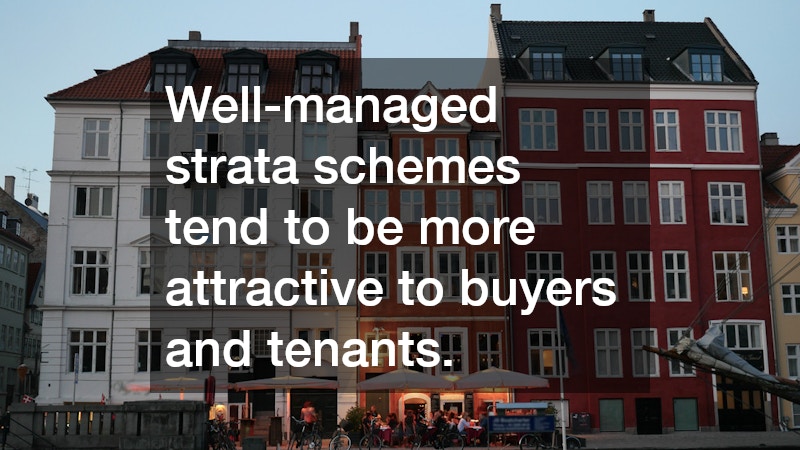
Well-managed strata schemes tend to be more attractive to buyers and tenants. Clean common areas, transparent finances and responsive management all contribute to a positive impression.
Over time, good strata management helps:
-
Protect property values
-
Reduce unexpected costs
-
Improve resident satisfaction
-
Create a more stable, well-run community
While these benefits may not always be immediately visible, they compound over time and make a significant difference to the long-term success of a scheme.
The Difference Between Adequate and Excellent Management
Not all strata management is the same. A proactive, experienced strata manager adds far more value than one who simply reacts to issues as they arise.
Strong strata management is characterised by:
-
Clear communication
-
Forward planning
-
Transparency
-
Responsiveness
-
A solid understanding of legislation
When these elements are in place, strata living becomes easier, more predictable and far less stressful for everyone involved.
Strata managers may not always be front of mind, but their influence touches nearly every aspect of strata living. From financial stability and legal compliance to maintenance and communication, they help create environments where shared living can function effectively. Their work supports not just buildings, but the communities within them.